Back to the Future – how yesterday’s London changed into the capital of tomorrow.

Six free walks across London – How many can you do?

As usual we will be supporting Local London Guiding Day on Saturday 10th October.

Each year, on a Saturday in early October, the individual London Guiding Associations come together to offer free walks every hour on the hour between 10am and 4pm. The theme of all walks this year is ‘Back to the Future’, so you’ll hear how ancient traces have shaped London over the centuries and indeed how the past continues to influence future plans.

Change has been London’s only constant. Yesterday’s people have fought for our freedom and rights to live in the modern London of today and monumental events have shaped our city so it had to reinvent itself regularly. Come and hear about these game-changers and see how even today will shape the London of the future because today is tomorrow’s past.

O0nagh will be in King’s Cross with Camden Guides this year and Sue will be in Hoxton with the newly formed Hackney Guides, who are taking part this year for the first time.

Why not come and join us?

Information about all the walks here: https://llgd.org.uk/ . Book in advance or just turn up on the day
“Wildlife” along the River Lea

A version of this post first appeared on the Footprints of London blog.


Section 13 of The Capital Ring between Stoke Newington and Hackney Wick may be one of the shortest but it is certainly richly varied. Most of the route overlaps the Lea Valley Walk.

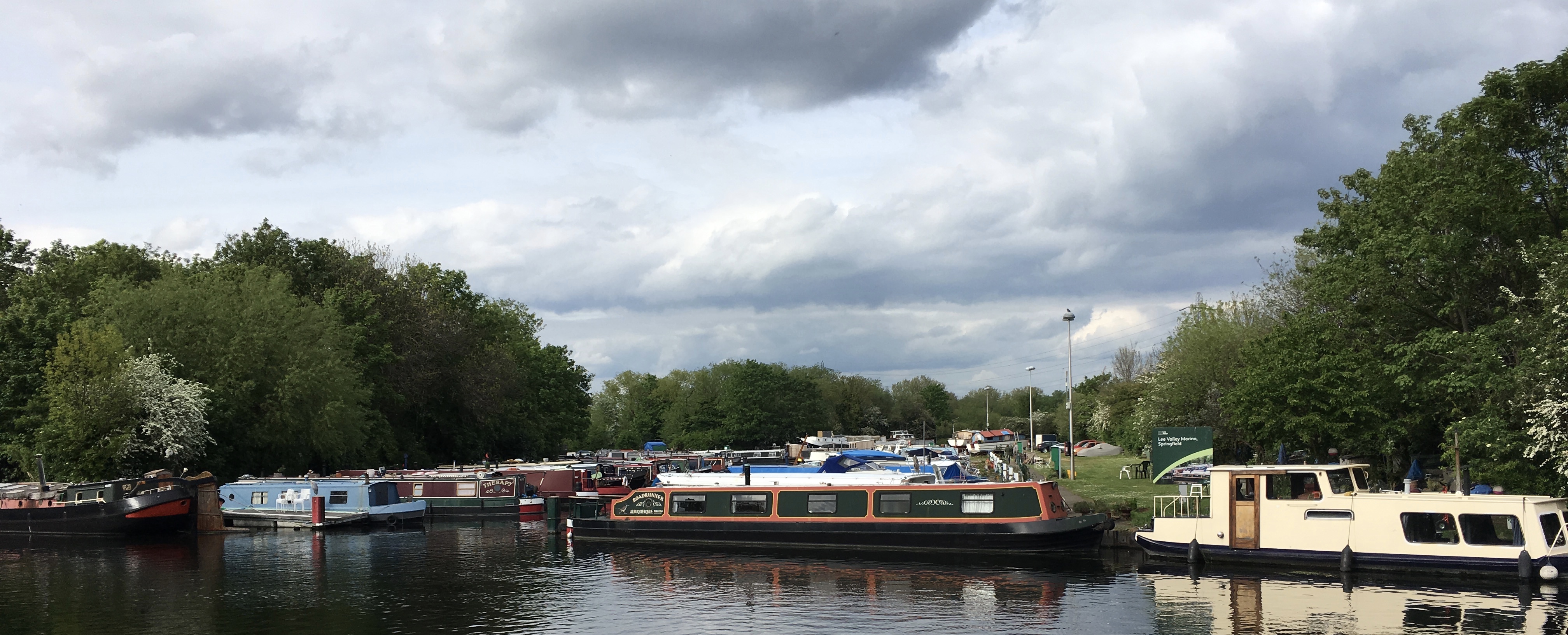
The River Lea once divided Middlesex from Essex and is now the boundary between the London boroughs of Hackney and Newham and Waltham Forest. The walk follows the towpath separating the River from Walthamstow Marshes. Saved from development in 1980s they are now a Site of Special Scientific Interest as one the last surviving natural marshlands in the London area – a home to over 400 plant species, many small mammals, birds and invertebrates. Once common grazing lands, they are once more grazed in summer, so you may be lucky and see the small herd of Belted Galloway cattle.

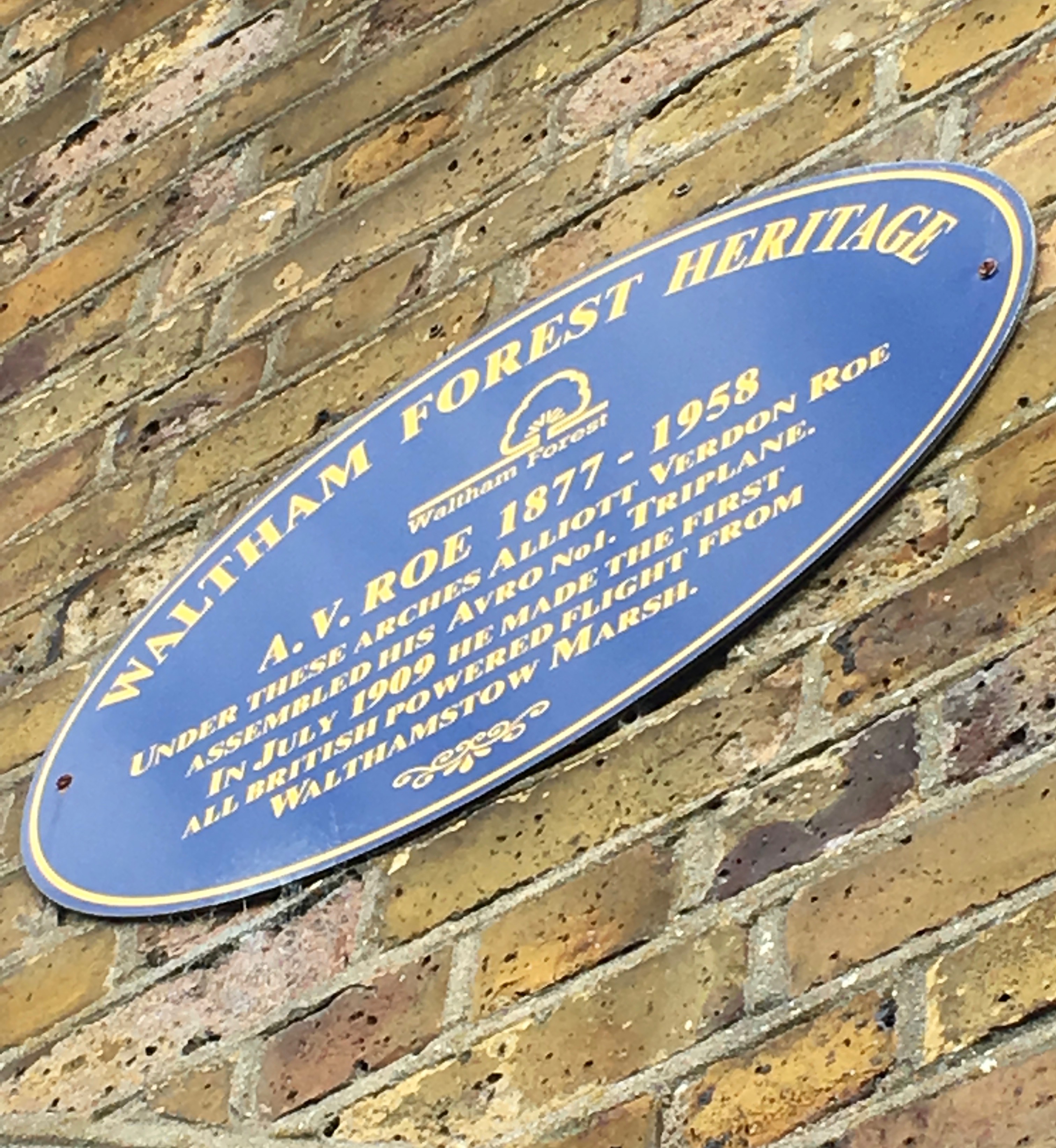
The Yellow Terror,on the other hand, is neither flora nor fauna but the nickname of the tri-plane that A V Roe invented and constructed under the railway arches that cross the marsh. When it flew 900 feet across the Marsh on 23 July 1909 it was the first all-British powered flight.

Now mostly recreational and increasingly residential, this part of the Lea was once heavily industrialised with many timber and furniture factories nearby, now marked only by local street names such as “woodmill” and “larch”.

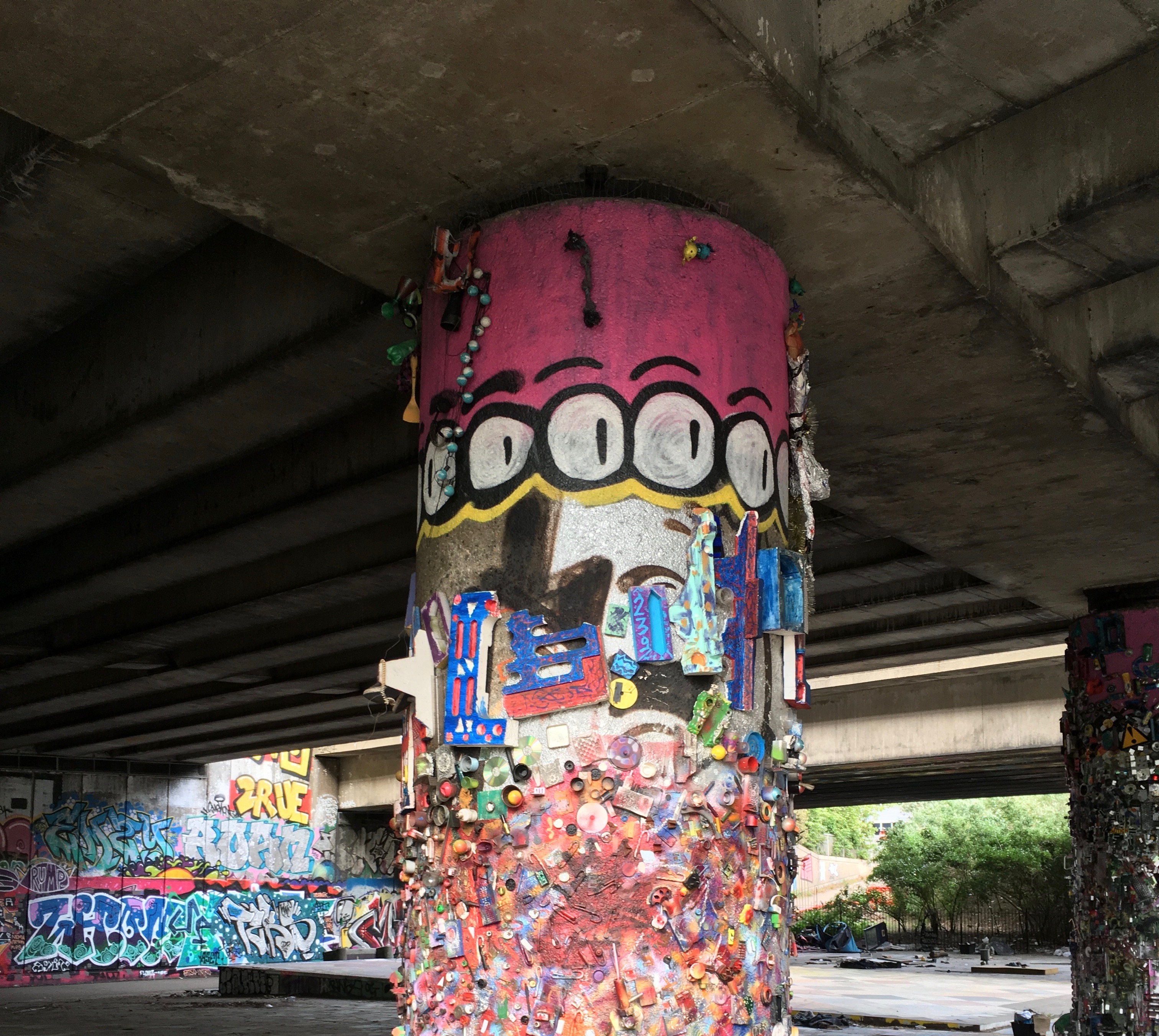
The last leg of the walk follows the Hackney Cut and our surroundings change again.  As we pass along the edge of the Queen Elizabeth Olympic Park to conclude our walk at Hackney Wick we are right back in urban east London with cafes, improvised art installations, graffiti and a few vestigial remains of local industry.

It’s a great walk and there is always something surprising.  The last time I walked along here I was a bit taken aback by some of the “wildlife” I encountered!  Why not join me on 30thJune and see what we encounter.