Click on the walk title to book
October 2026
Barking: from Fishing Fleet to Feminist Icons
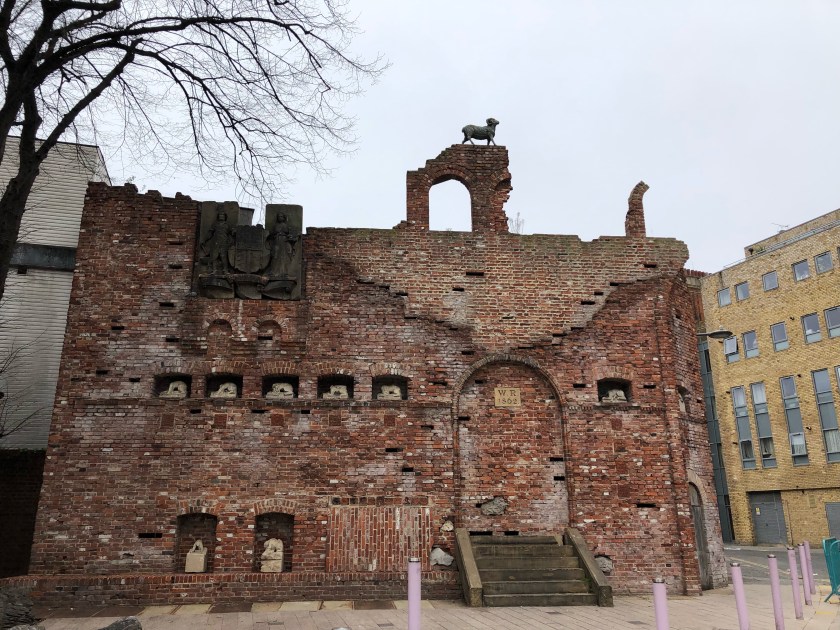
This circular walk around Barking takes us past landmarks associated with its medieval abbey, its once huge fishing fleet, the noxious industries and civic pride of the 19th and 20th centuries, right up to today’s riverside regeneration.
Along the way we learn where Capt. Cook was married and where a local suffragette entertained Mrs Pankhurst. We find out what links prison reformer Elizabeth Fry to Barking’s stunning Sikh temple and why there is a memorial to the victims of asbestosis.
Date: Sunday October 11th 2pm
Guide: Sue
Waterloo in Fiction
A literary walk around Waterloo exploring locations that feature in novels from Victorian times to the present day.
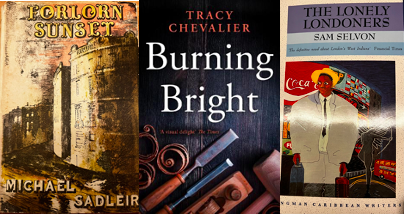
This walk explores the Waterloo of historical fiction. Tracy Chevalier’s Burning Bright brings William Blake’s Lambeth to life, Michael Sadleir’s Forlorn Sunset and Renton Nicholson’s Dombey and Daughter explore its seamier side in Victorian times, while for Sam Selvon’s Lonely Londoners of the 1940s, the station is a place of nostalgia. Above all, it is a place of arrival and departure.
Date: Saturday 31st October 11am
Guide: Sue
November
Uren and Upwards:Hornsey Town Hall tour
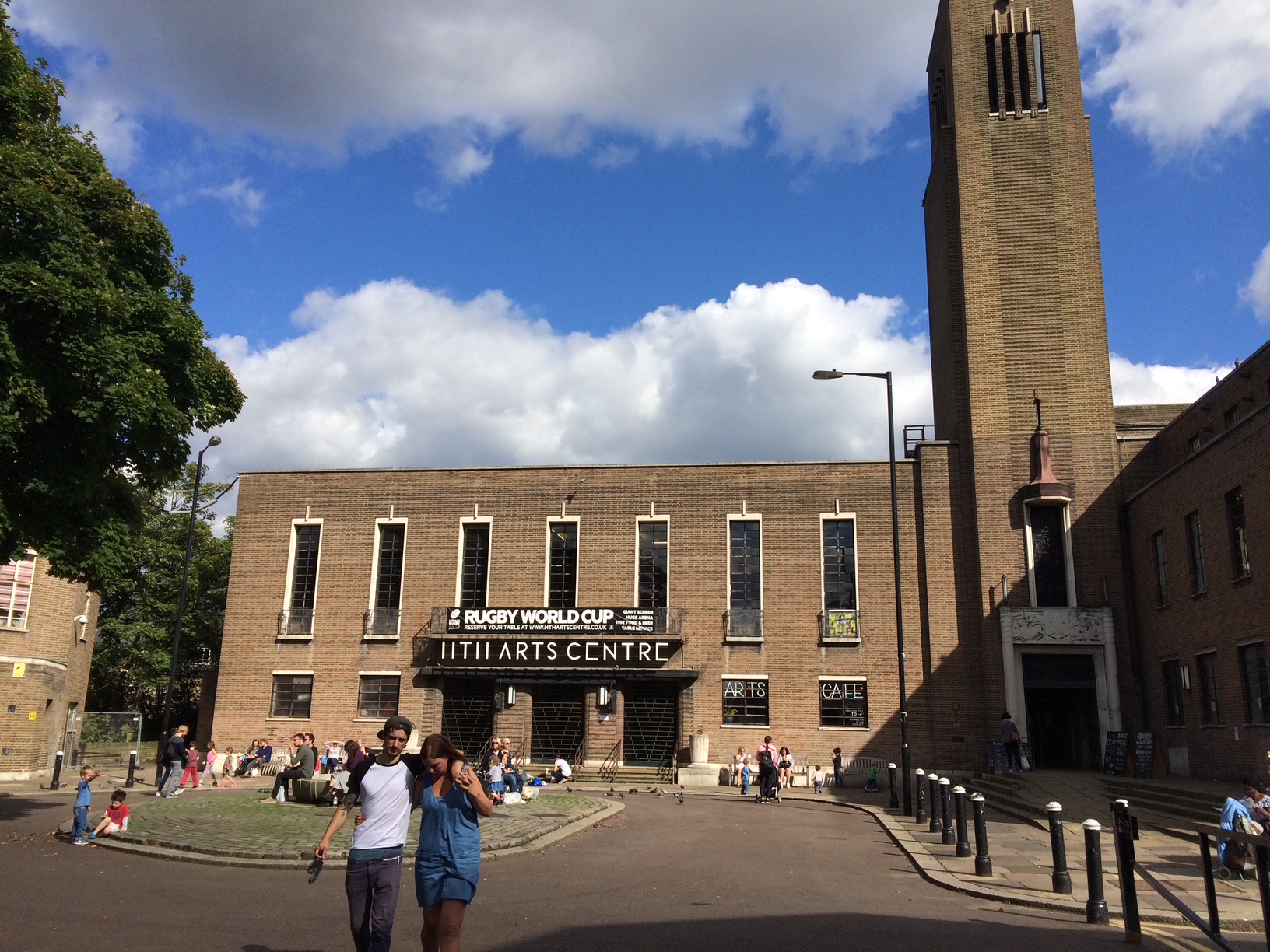
The modernist masterpiece of Hornsey Town Hall is a Grade II* listed building recently renovated as part of a private sector development. Opened in 1935, it was the centre for the Borough of Hornsey, and its architect Reginald Uren also created a Town Hall Square flanked by electricity and gas showrooms, making local government at the heart of the local community. Visit the Assembly Hall and Committee Room, the Chamber and Mayor’s Parlour, and learn about the materials used and the design vision for the Hall.
Outside on the square discover the wonderful bas reliefs, created by sculptor Arthur Ayres at the begining of his career. The Town Hall was at the heart of pop and rock in the 1960s, with the Kinks, and Queen and has paid host to several iconic films and TV programmes.
Date: Saturday 14 November 2pm
Guide: Oonagh
What’s Behind the South Bank?

In an area that offers so much to see and do it’s easy to overlook some of its most intriguing features. This walk from Waterloo to Blackfriars Bridge highlights hidden gems; some tucked away and others hiding in plain sight. We explore new developments alongside remnants of its industrial past; see monuments and mosaics; learn about a former warehouse that became a military hospital, a cooperative housing development that thwarted the developers and finish in an area once famed for hat-making.
Date: Sunday 22nd November 2pm
Guide: Sue
December
The Trollopes of Bloomsbury
Both Anthony Trollope and his mother Fanny were proliflc and successful writers
Anthony, born in Bloomsbury is best known for the Barchester Chronicles and Paliser novels where Catherdral towns and country houses often overshadow the place of Bloomsbury. But this area which “cannot be called fashionable” and is “not much overlooked by nobility” offers lodgings and temptation to young clerks like Johnny Eade and affordable accomodation for impoverished women like Lady Anna.
We follow the links between Anthony Trollope’s own life as a civil servant at the Post Office, his fiction with its Bloomsbury locations and the influence of Fanny Trollope’s writing on her son’s work.
Date: Sunday 6th December 2pm
Guide: Sue


